 |
| Snapshot 24 x 36 Acrylic ~ Assigned to create a sight specific piece where the placement greatly adds to the perception of the viewer. I was assigned 'hallway' as my location. With this, I decided to create a piece that used the entirety of the space intended for travel in order to see the image in full. The image on the left is what the portrait would look like from a relatively close distance and the image on the right depicts what it would like from a distance farther down the length of the hallway. ~ 3/5/14 |
Thursday, March 13, 2014
Site Specific: Hallway

Research & Destroy: Stills
 |
| Featured above are stills from my Research & Destroyed assignment. Included are 9 completed paintings that evolved from one another along with 3 compositions intended as transitional frames. |
~
2/23/14
Monday, February 24, 2014
Research & Destroy
Dog Days
Acrylic
02:26
(loop after 00:29)
Acrylic
02:26
(loop after 00:29)
~
The prompt given was to create a piece, document it, and destroy. The destroyed piece is then used as a base material and starting point for the next piece. It was instructed to repeat this process seven times over. The reason for this assignment was to practice presentation and how it can add context to a work of art. After creating and destroying the seven pieces we were challenged to find a successful way to display the entirety of the research-and-destroy process. I chose to project this stop motion of an evolving painting on the original canvas that featured reminisces of the underlying layers of paintings. Featured here is the video that was originally projected onto said canvas.
~
2/23/14
The prompt given was to create a piece, document it, and destroy. The destroyed piece is then used as a base material and starting point for the next piece. It was instructed to repeat this process seven times over. The reason for this assignment was to practice presentation and how it can add context to a work of art. After creating and destroying the seven pieces we were challenged to find a successful way to display the entirety of the research-and-destroy process. I chose to project this stop motion of an evolving painting on the original canvas that featured reminisces of the underlying layers of paintings. Featured here is the video that was originally projected onto said canvas.
~
2/23/14
Monday, February 17, 2014
Pattern & Representational Object
 |
| Faceless Flannel 22x20 Acrylic ~ Assigned to create a painting including both a representational object and a pattern. Problem solving skills were exercised in accomplishing the challenge of using color application to emphasize the subject. This being my first time experimenting with acrylic paint I found it challenging to blend colors, for instance I found mixing colors to resemble a believable skin tone and shading to give the figure dimension especially demanding. ~ 2/17/14 |
Tuesday, February 11, 2014
Abstract Compositions: Color Theory
 |
| Hereafter 22x30 Acrylic ~
Assigned to create two
abstract compositions using the strict limited pallet of colors from
previously created color charts. It is the main goal to gain an understanding of the use of color in emphasizing mood and emotion that is conveyed through the use of an aesthetically pleasing composition.
~ 2/10/14 |
Color Charts
 |
| Granny Smith Apple |
 |
| Scissors |
 |
| Orange (fruit) |
 |
| Finished Wood |
 |
| American Flag ~ |
A color theory exercise, mixing light and cool colors to gain knowledge on how colors interact with each other within a pallet. It was assigned to isolate promenade colors in five beautiful objects, including shadows and highlights, and create individual color charts segregating each objects tones to an isolated sector. The size of each color's sector will be directly correlated to the space that that particular tone uses throughout the object.
~
2/10/14
Tuesday, February 4, 2014
Abstract Cropping
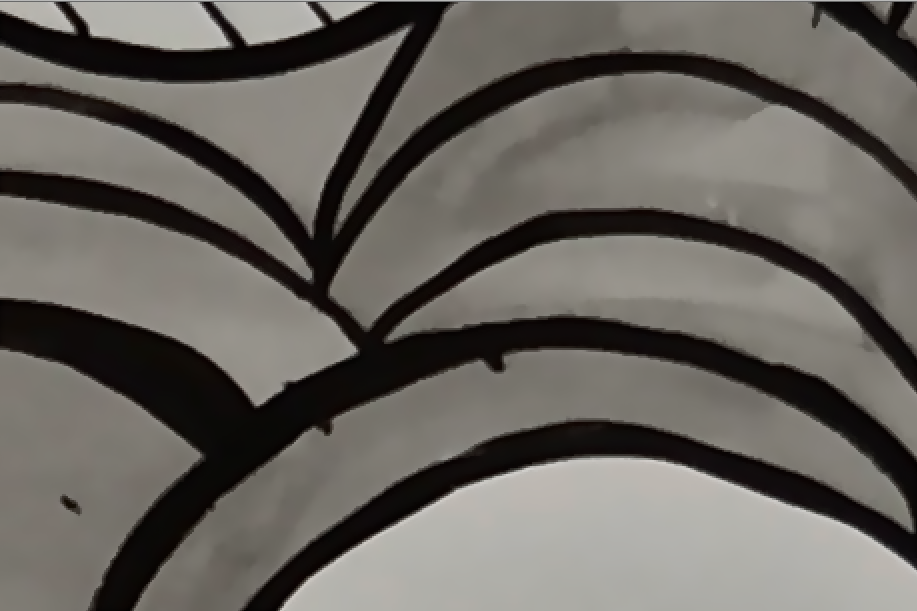


Cropping of original "Groovy Blue Ridge Mountains" to create 20 abstract compositions.
~
2/4/14
Subscribe to:
Posts (Atom)